
Working at height
is an engineering problem
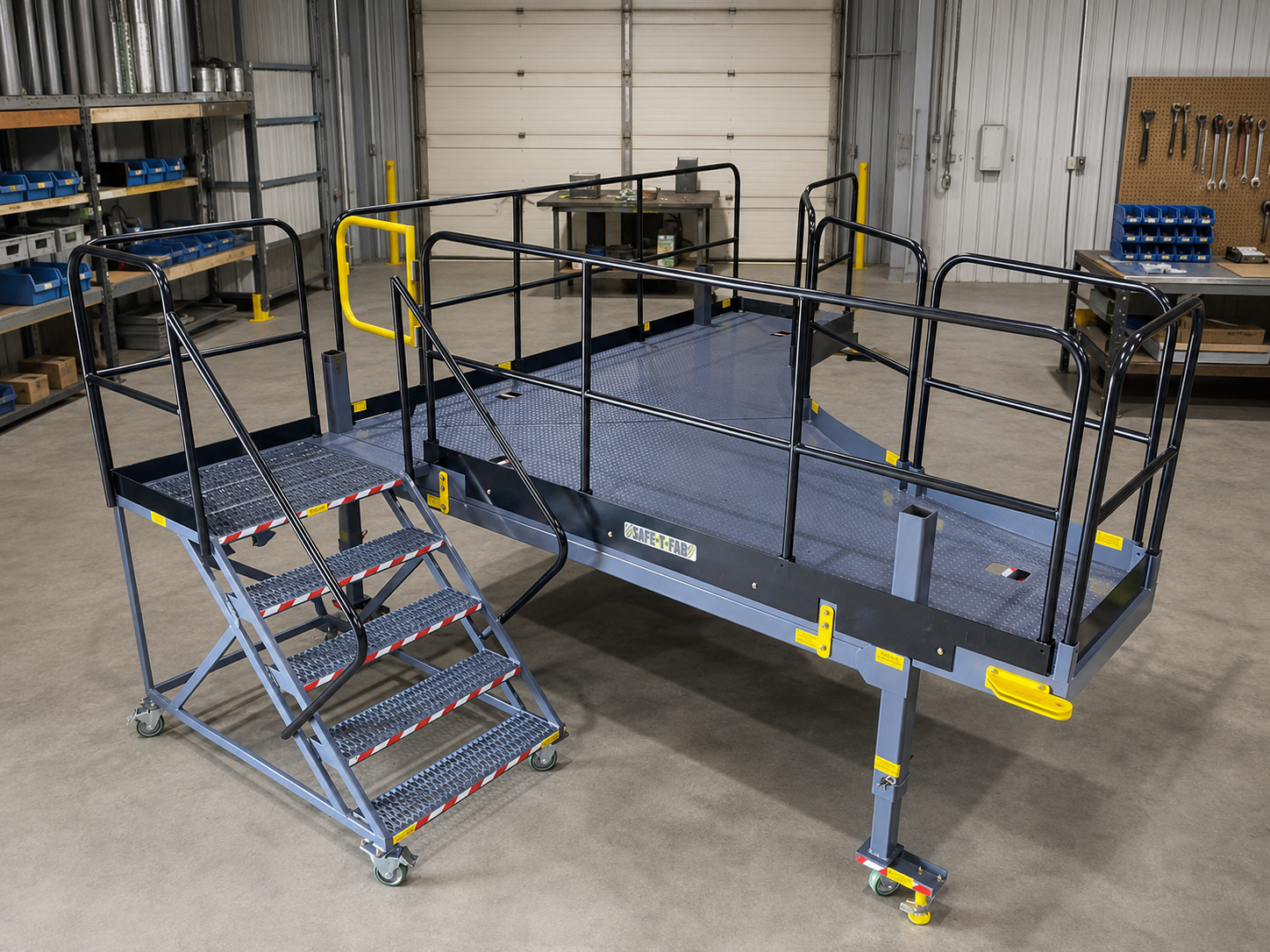
SAFE-T-FAB designs custom access stairs, ladders, crossovers, fixed and mobile work platforms. We engineer to order using passive fall protection so no harness or lifeline is required.
I know what
I need
Pick the form for your product type, enter your dimensions, working height and other details into our configurator forms for expedited proposals

I have a
problem to solve
No two problems have the same solution. A few photos of the area, a simple sketch, or a phone call is all we need to start. For the harder applications we come on site.
- Photos of the area from several angles
- The working height being reached
- The available footprint
- What the worker is doing and carrying
- Overhead clearance
- Door and aisle widths
- Any obstructions in the way
More detail up front produces a tighter, less conservative price.
Twelve product types
Every one engineered to the application rather than picked from a catalog. Start from the closest match and we will tell you if a different form solves it better.
-
01
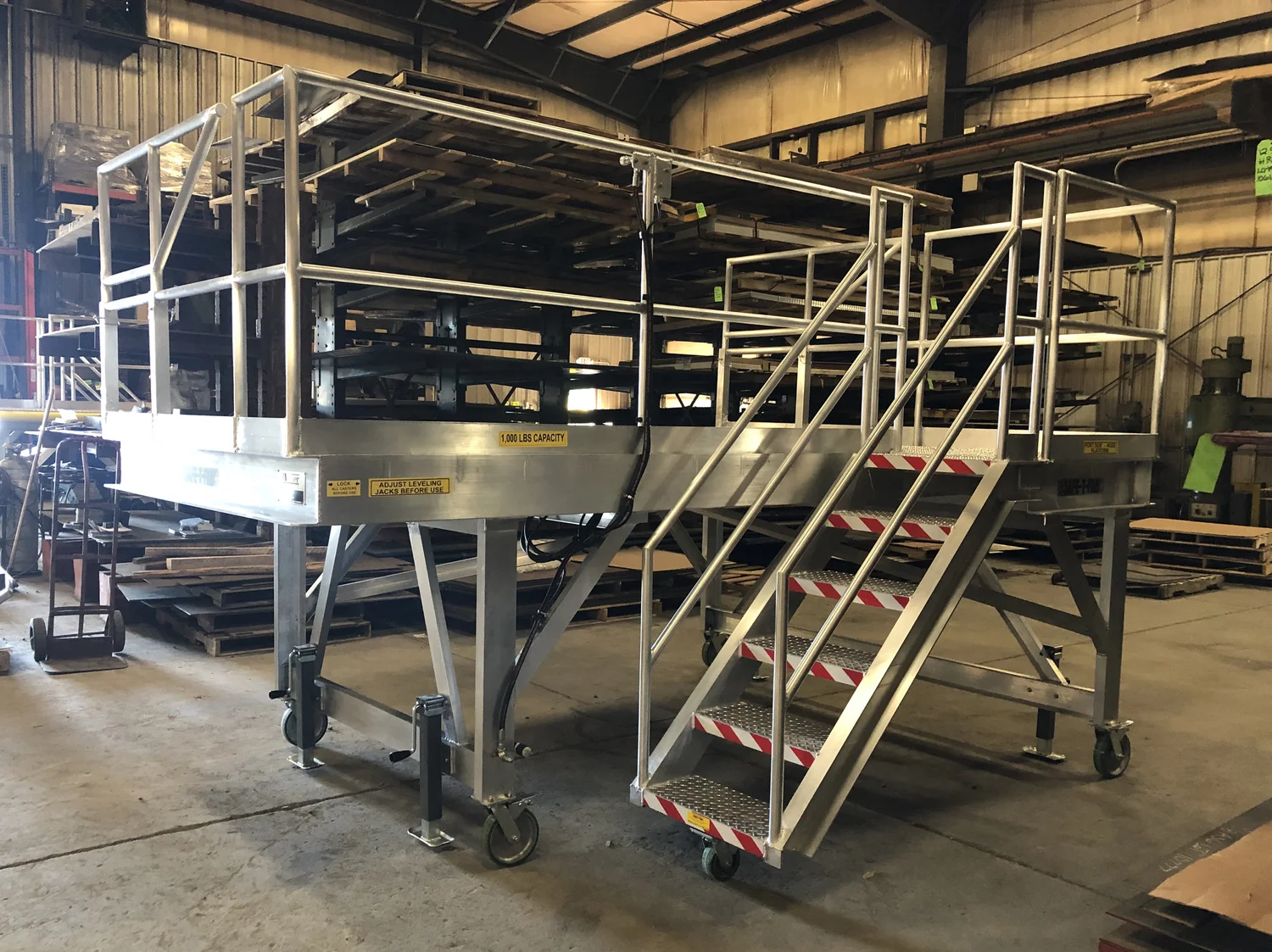
Mobile Work Platforms
Locking casters and leveling jacks
-
02
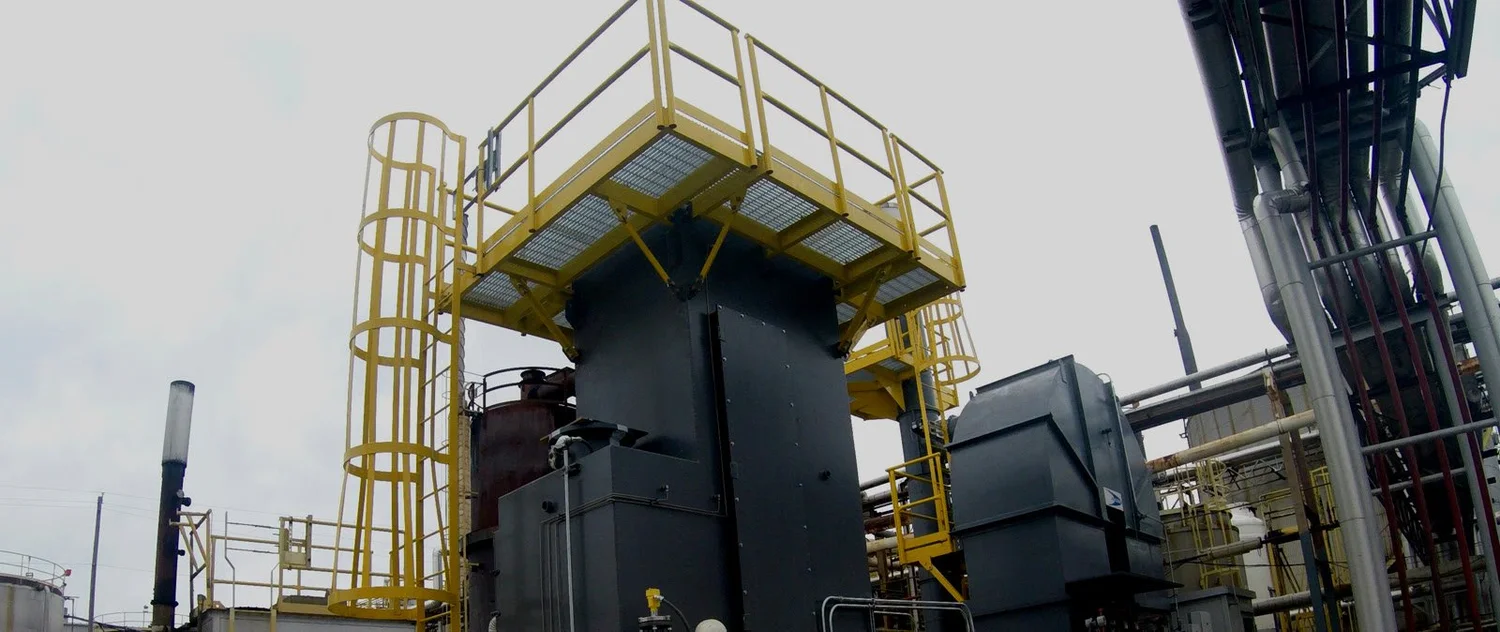
Fixed Platforms
Anchored steel or aluminium
-
03
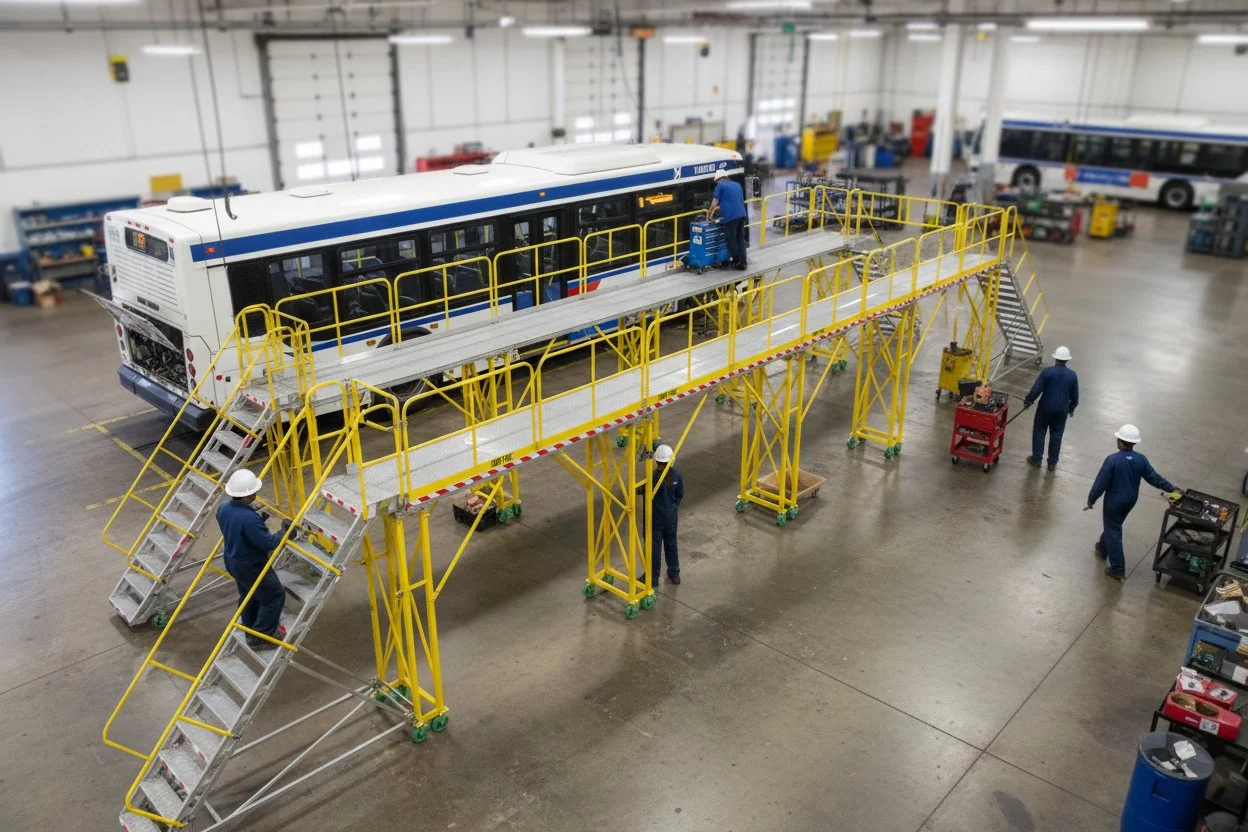
Electric Bus Access
Roof-level battery and HVAC access
-
04
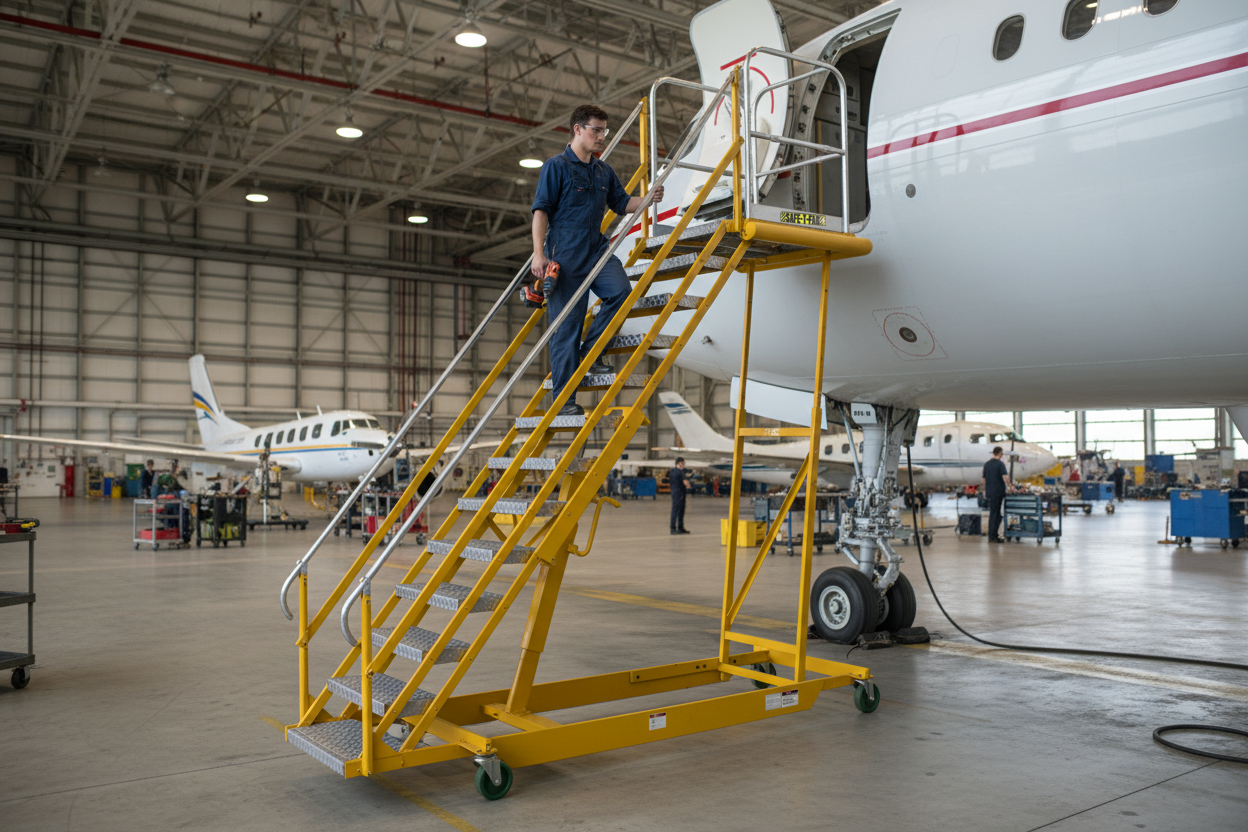
Adj. Height Mobile Stair
One unit, a range of heights
-
05
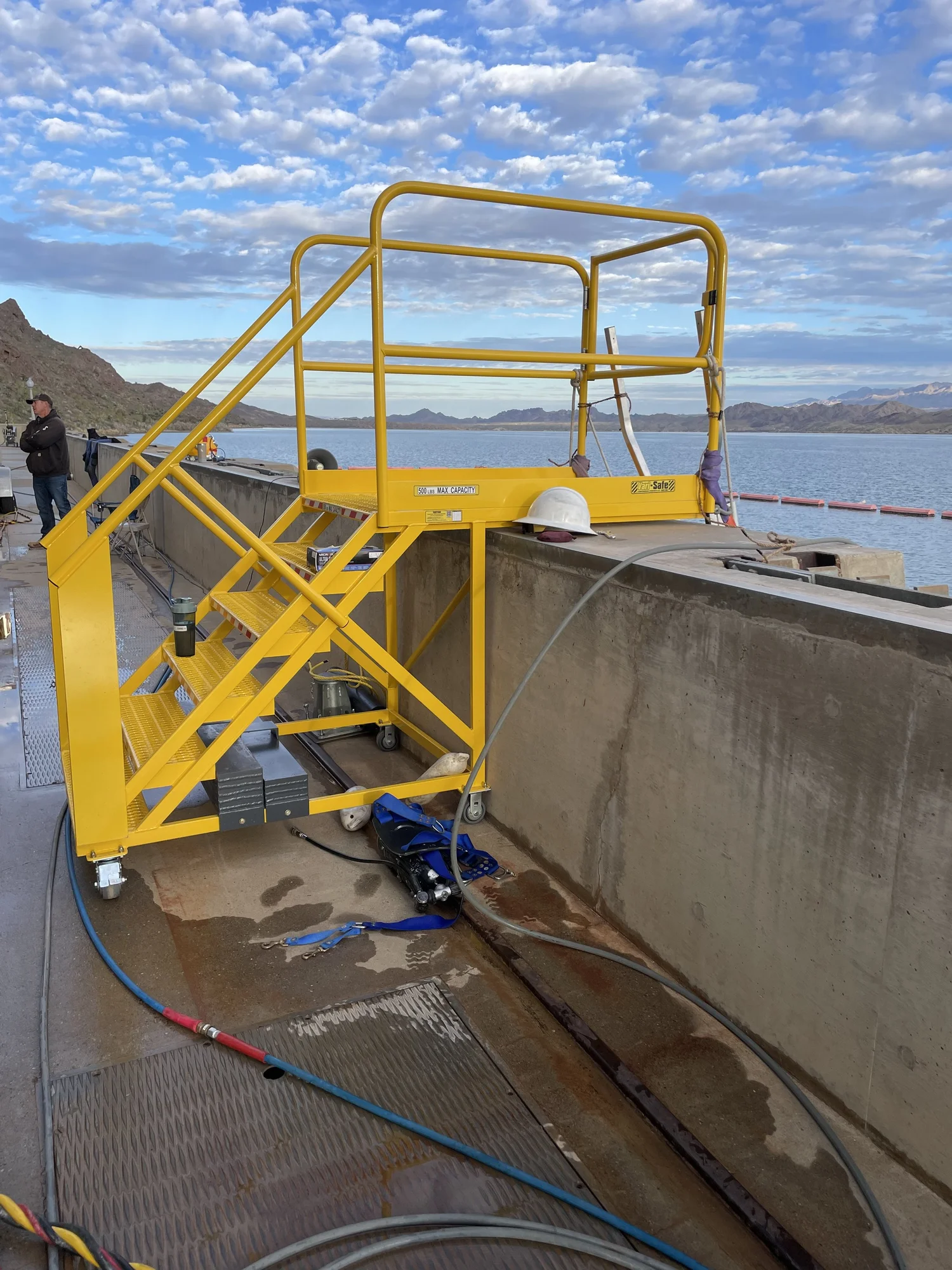
Cantilever Ladders
Unsupported reach over equipment
-
06
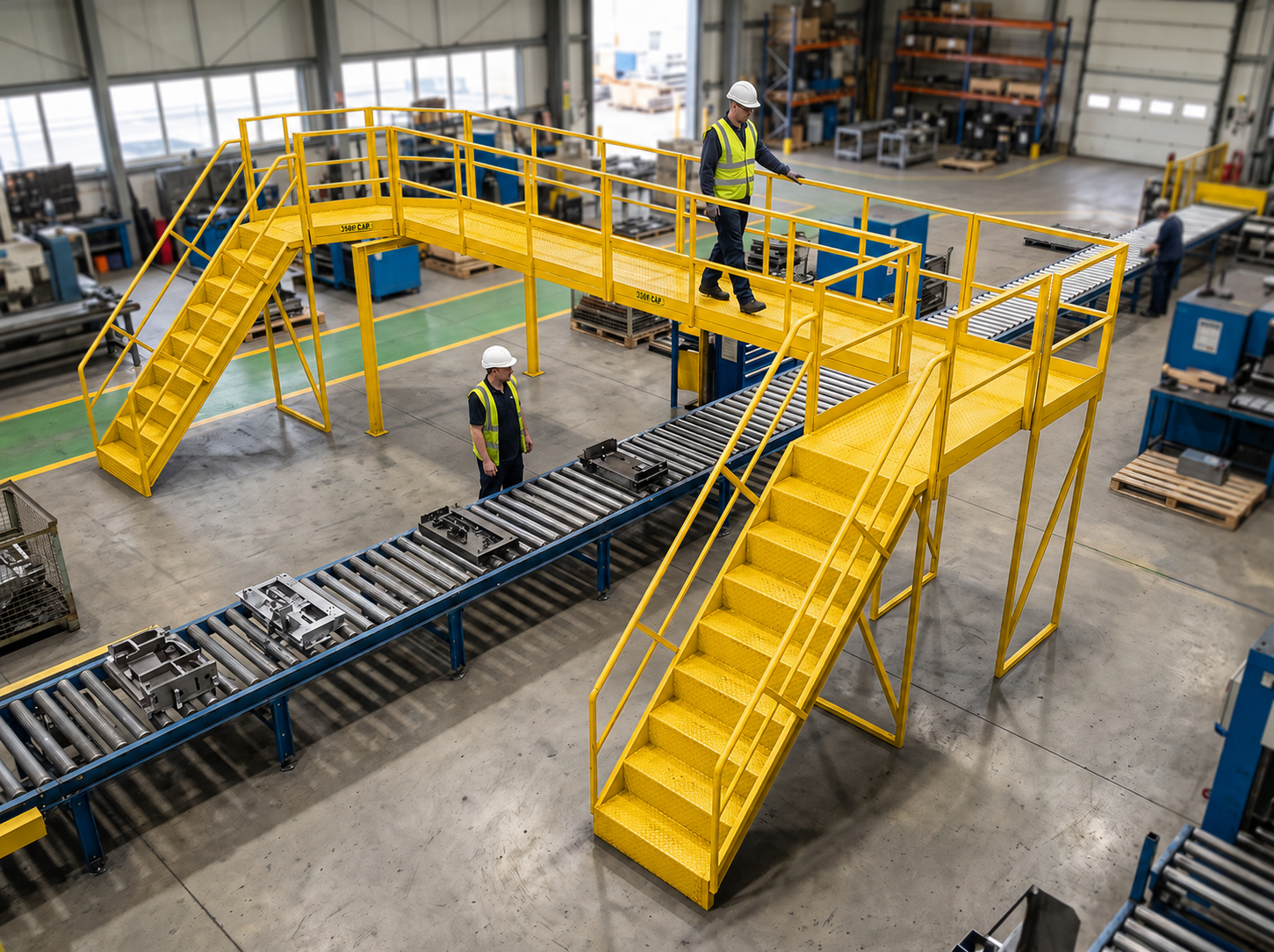
Crossovers
Over conveyor, pipe and duct runs
-
07
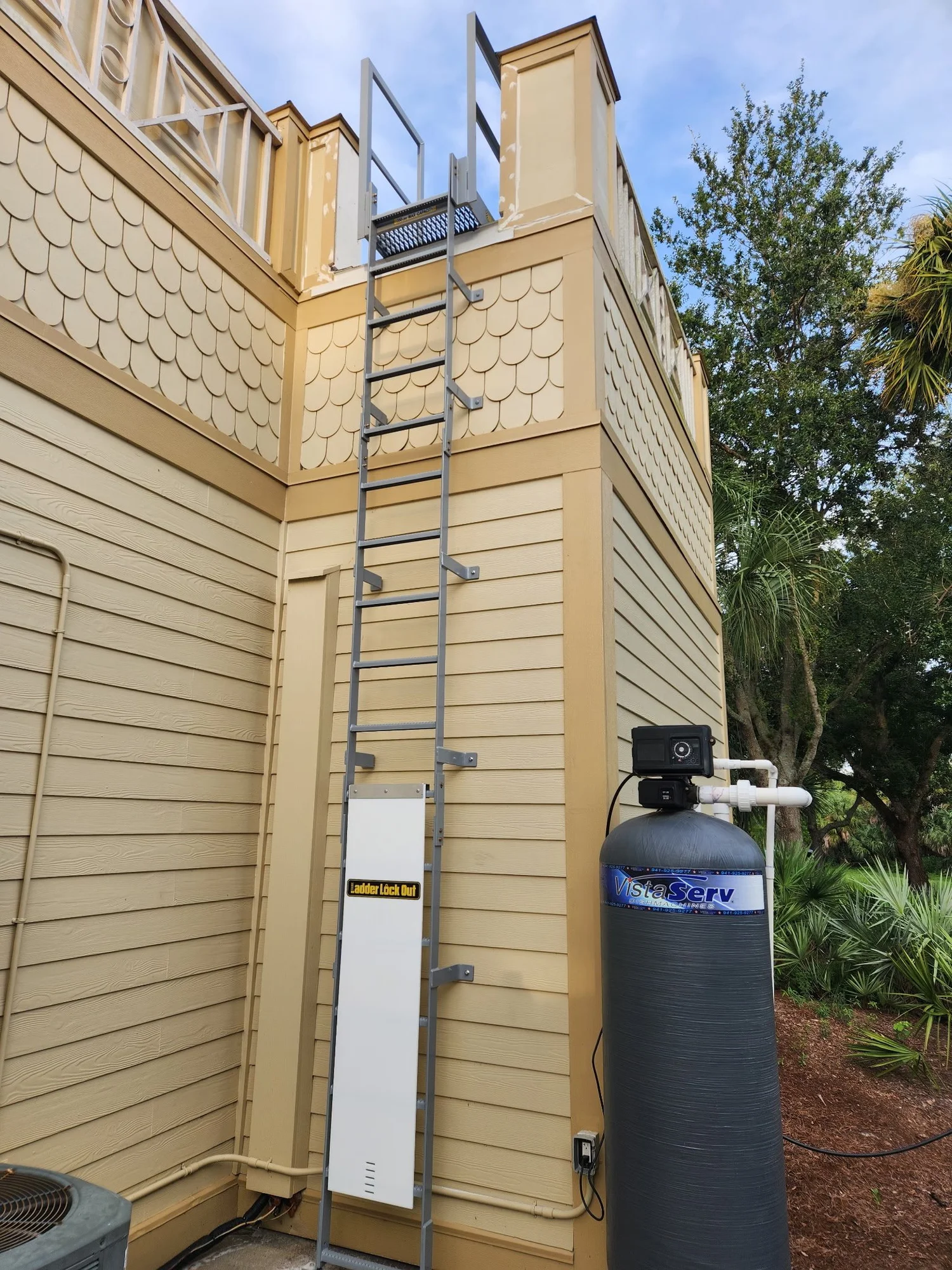
Fixed Ladders
12 in rung spacing on centre
-
08
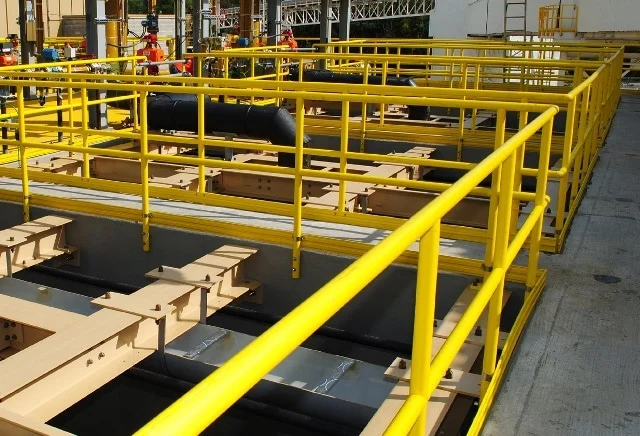
Railing & Gates
42 in top rail, plus or minus 3 in
-
09
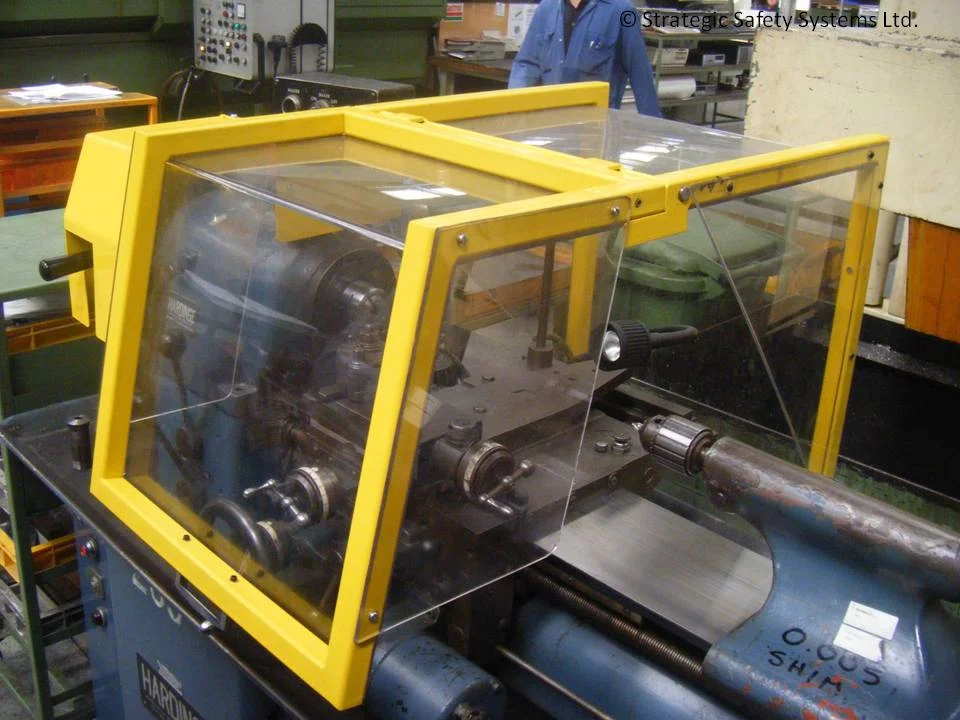
Machine Guarding
Perimeter and point-of-operation
-
10
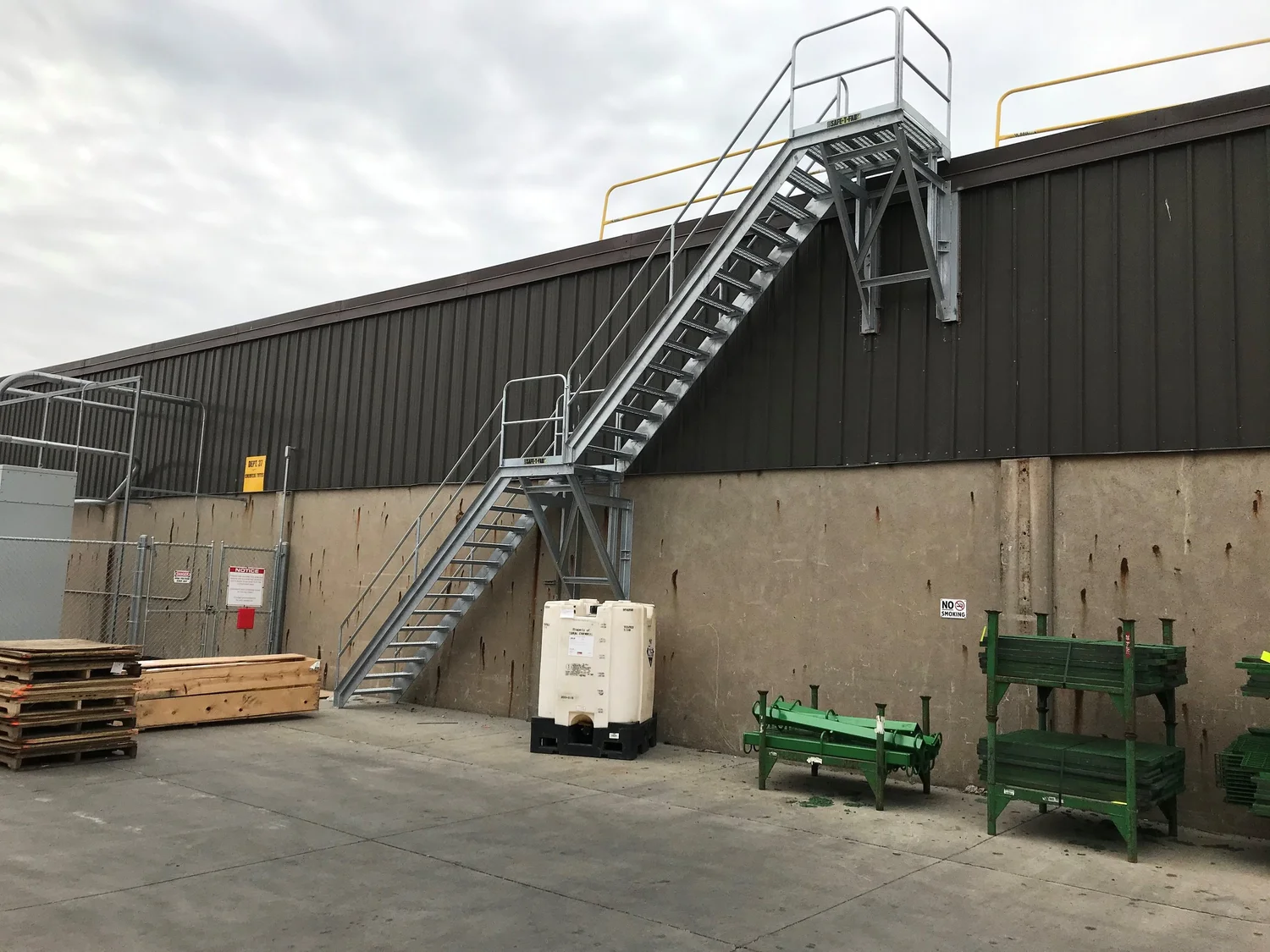
Industrial Stairs
9.5 in max riser, 30–50°
-
11
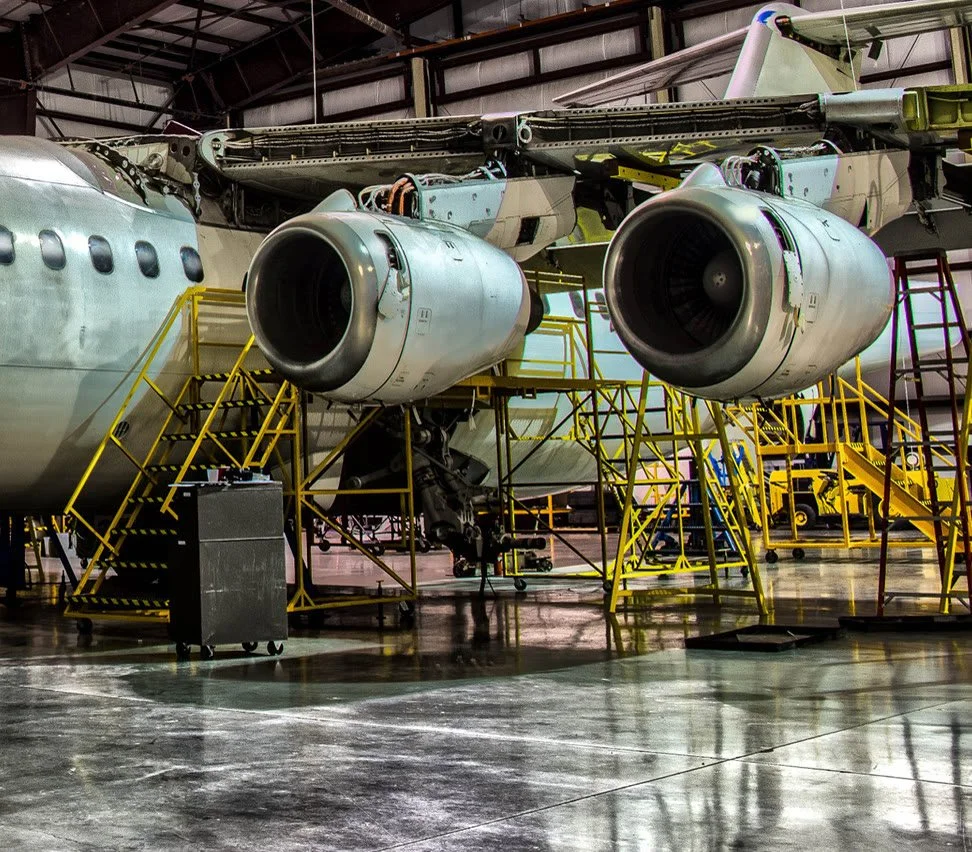
Fixed Wing
Wing, fuselage and engine stands
-
12
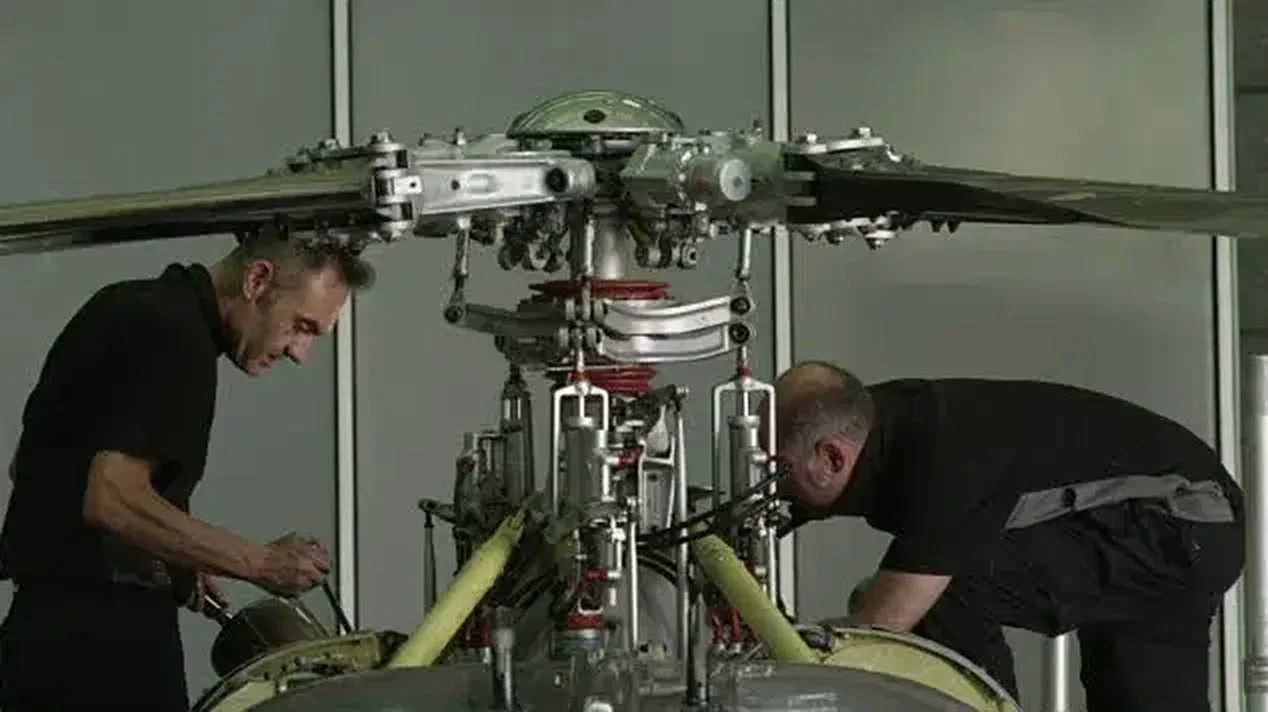
Rotor Craft
Rotor head, tail and nacelle stands
You see it before we build it
A few photos of the area, a rough sketch, or a phone call is enough to start. You approve a photo-realistic rendering and a set of drawings before anything is cut.
-
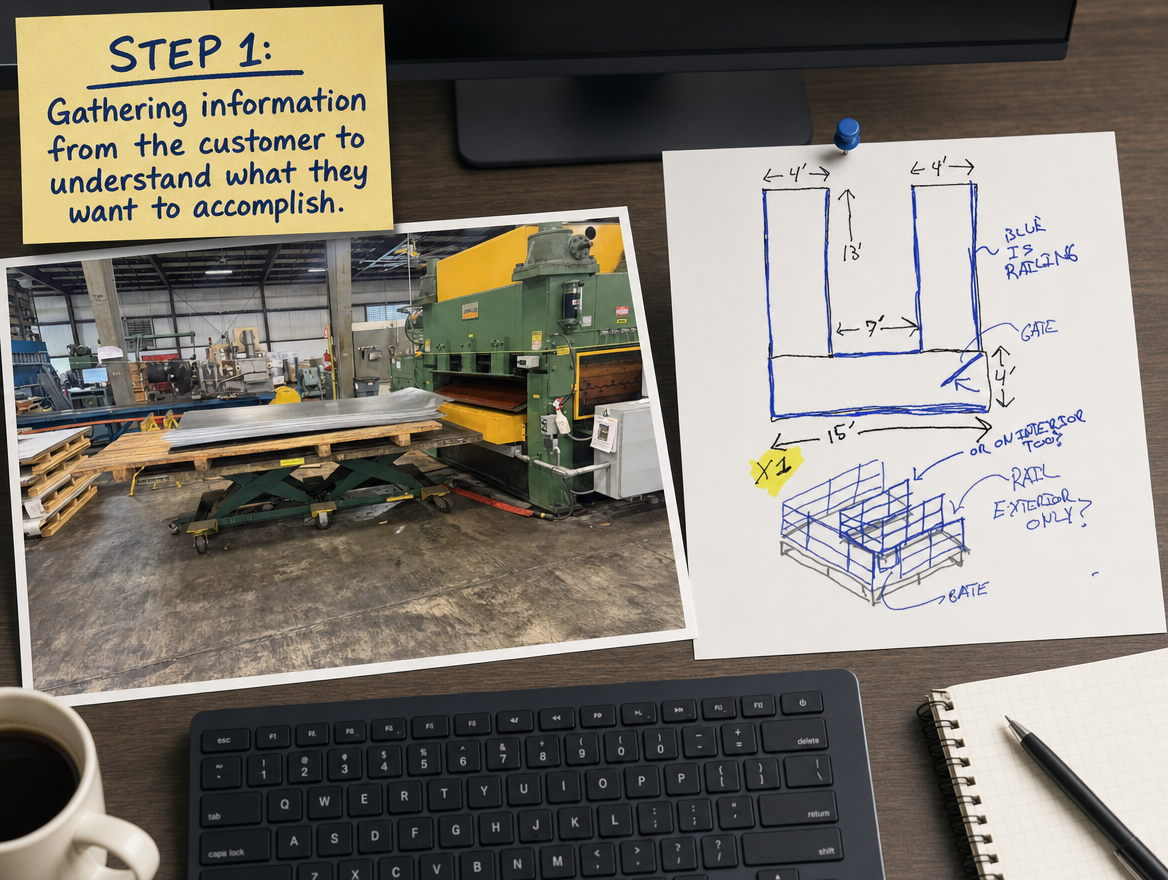
Step 01
Get us some info
Photos from a few angles, the working height, the footprint you have, and what the worker is carrying. More detail up front produces a tighter price.
-
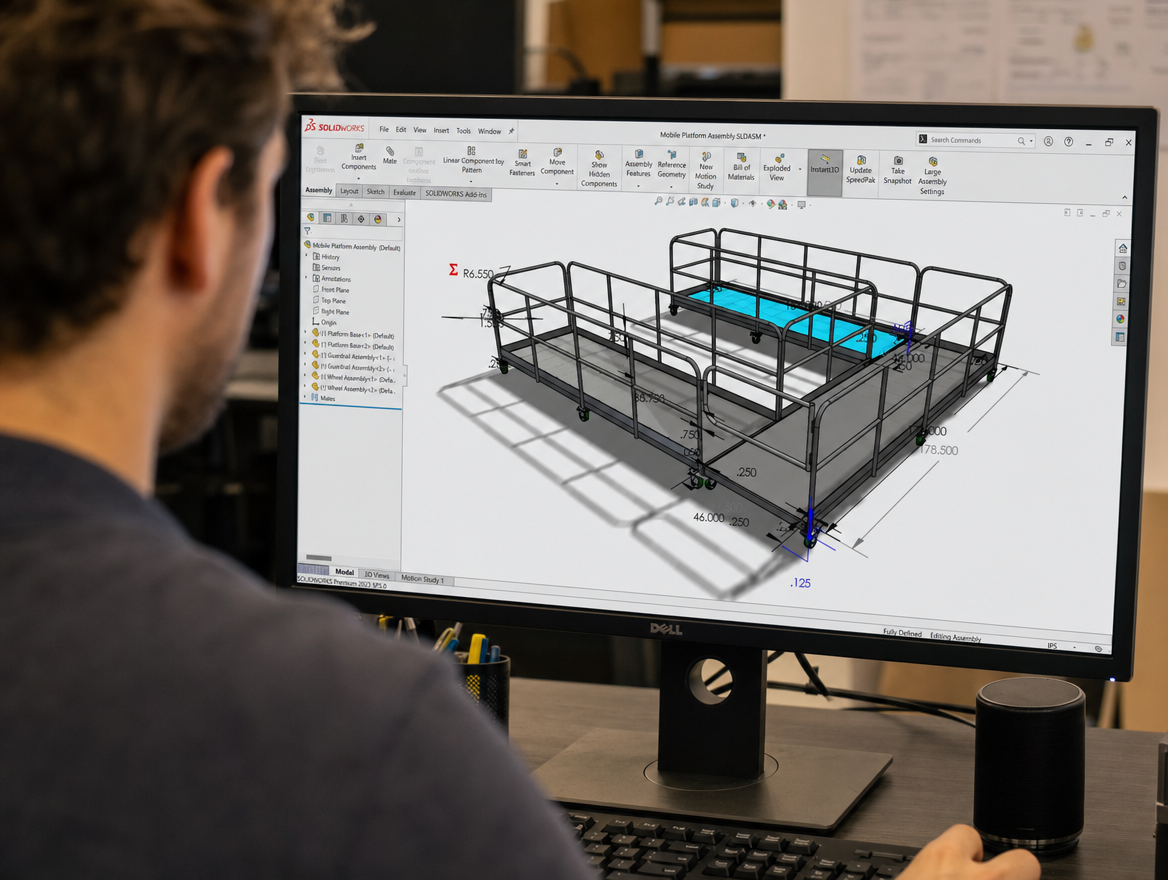
Step 02
Time for some ideas
Our designers model the solution in 3D against your constraints, overhead clearance, aisle and door widths, obstructions, and the load carried.
-
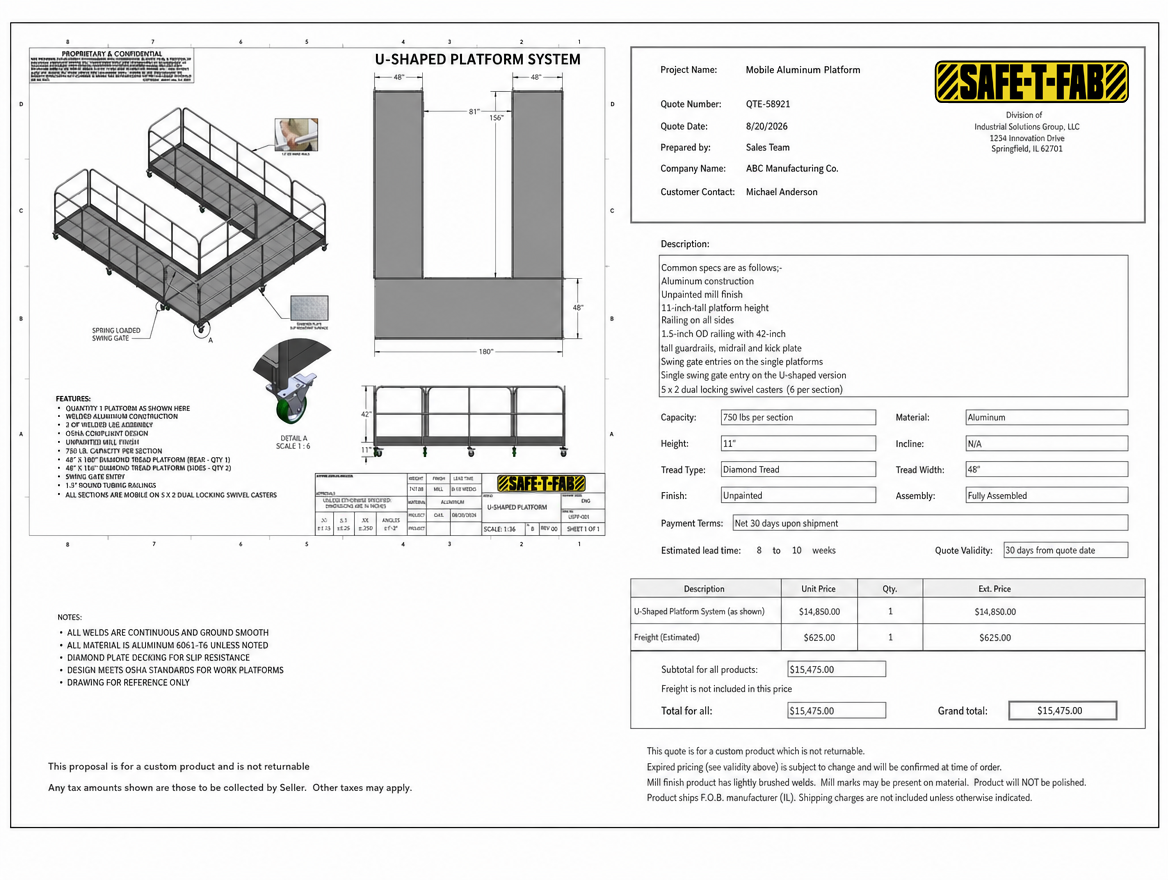
Step 03
Measure twice, cut once
You get price, lead time and a photo-realistic rendering, then final approval drawings for your records before the job is scheduled.
-
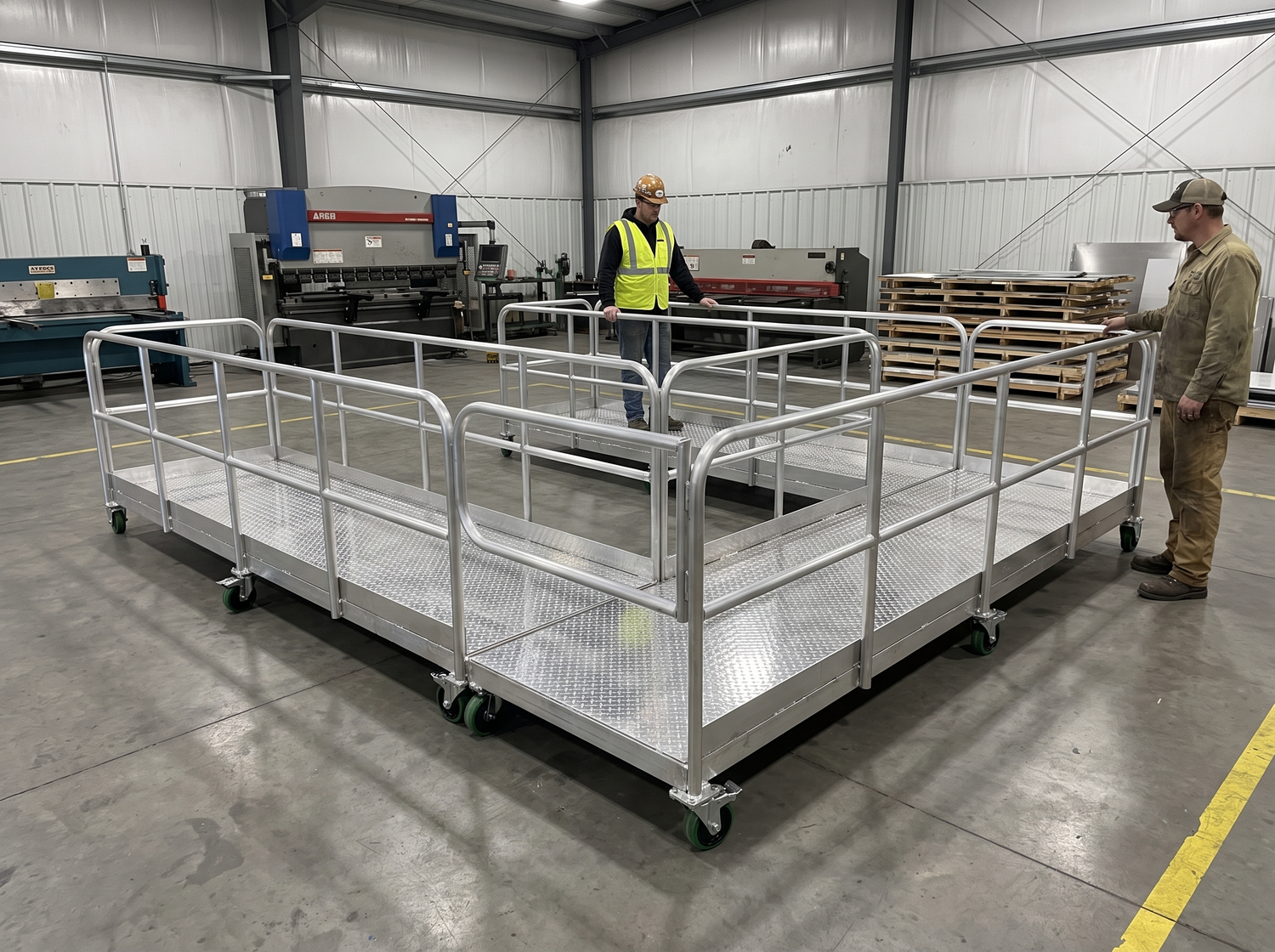
Step 04
Build, ship, support
Your designer stays with the job through fabrication, powder coat or liquid finish, and out to delivery, assembly and install.
Common access and fall-protection questions
The questions we are asked most, answered plainly. Longer treatments live in the Knowledge Center.
At what height does OSHA require fall protection?
Four feet above a lower level in general industry under 1910.28(b)(1), and six feet in construction under 1926.501(b)(1). That is the trigger height, not a design target. A fall from 30 inches onto a concrete floor can still cause serious injury.
What is the standard guardrail height requirement?
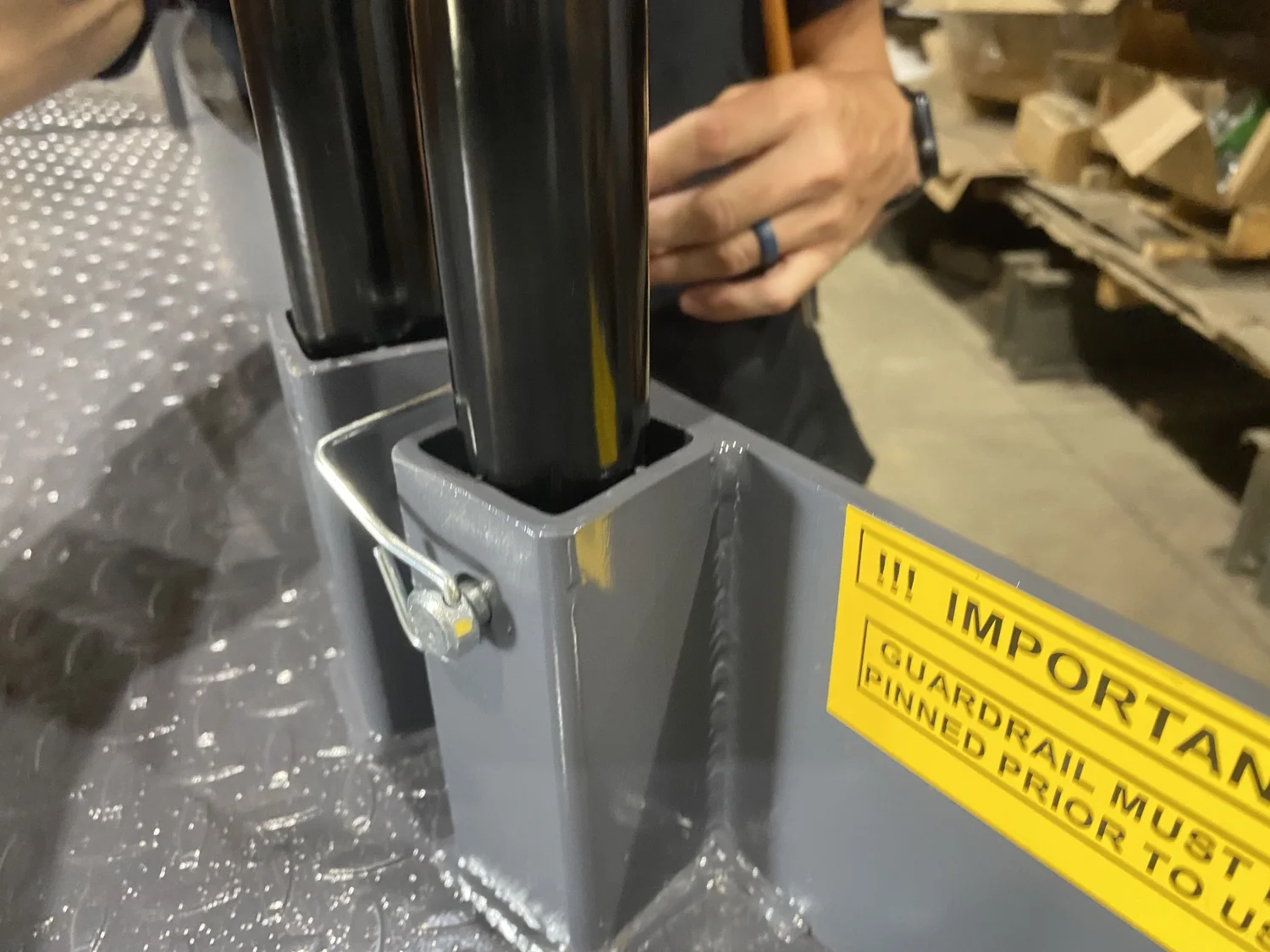
OSHA generally requires guardrails to have a top rail height of 42 inches, plus or minus 3 inches, from the walking surface. SAFE-T-FAB typically includes guardrails on most platforms regardless of height. OSHA requires guardrails on platforms over 48 inches.
How is platform load capacity determined?
Platform load capacity is determined by intended use, personnel loads, equipment loads, material selection, and structural engineering calculations. SAFE-T-FAB generally calculates 250 pounds per person and targets a 3 to 1 safety factor on all stated capacities. Unsupported cantilevered products carry a smaller safety factor, because reaching 3 to 1 on an unsupported cantilever requires so much counterweight that the unit becomes impractical to move and position.
Is steel or aluminum better for an industrial work platform?
It depends on the application. Steel provides greater strength, rigidity, and durability for heavy-duty industrial use. Aluminum offers lighter weight, corrosion resistance, and easier mobility. The choice comes down to load requirements, environment, maintenance expectations, and whether portability or maximum strength matters more.
What is the maximum step height for an OSHA compliant stair stringer?
9.5 inches is the maximum riser height allowed for standard stairs under OSHA 1910.25(c)(2). Minimum tread depth is also 9.5 inches, and standard stairs must be installed at an angle between 30 and 50 degrees from horizontal.
Do fixed ladder cages still meet OSHA requirements?
Not on their own. Any fixed ladder extending more than 24 feet requires a ladder safety system or a personal fall arrest system. New and replaced ladders had to comply as of November 19, 2018, and all remaining ladders must comply by November 18, 2036.
When should an industrial platform be custom engineered?
Custom engineering is needed when standard platforms cannot safely accommodate specific equipment, layouts, elevations, or load requirements. Typical cases include reaching over machinery, matching an irregular contour, working within tight overhead clearance, or supporting unusual point loads.
What information is needed to quote a custom access platform?
Photos of the area from several angles, the working height being reached, the available footprint, what the worker is doing and carrying, overhead clearance, door and aisle widths, and any obstructions in the way. More detail up front produces a tighter, less conservative price.
What stair tread and platform decking options are available?
SAFE-T-FAB most commonly uses Grip Strut safety tread for stairs and diamond tread plate for platform decking. Bar grating is available where an application calls for a less aggressive open grating step material or requires drainage.
Reference material
Knowledge Center
Plain-language definitions, reference tables and a full FAQ covering platforms, stairs, ladders, guardrail and access terminology.
Platform Safety
Fall protection, guardrail and safe access — key considerations, inspection and training guidance, and downloadable checklists.
Design & Engineering
Loads and design considerations, materials, finishes and decking, anchoring, mobility and shipping, and the standards we design to.
More than just a fabricator
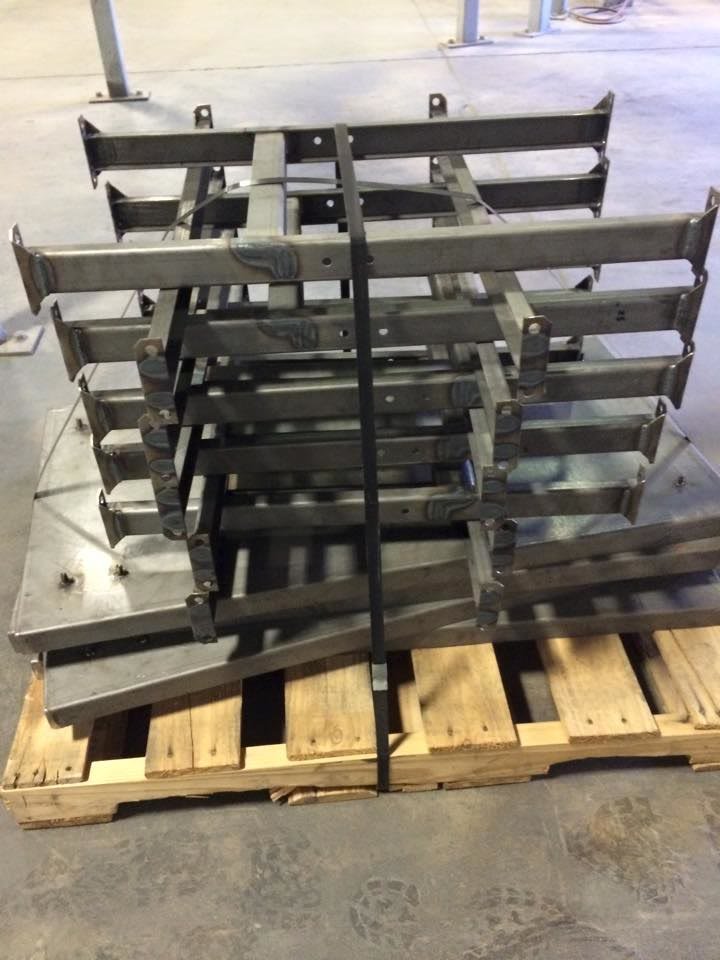
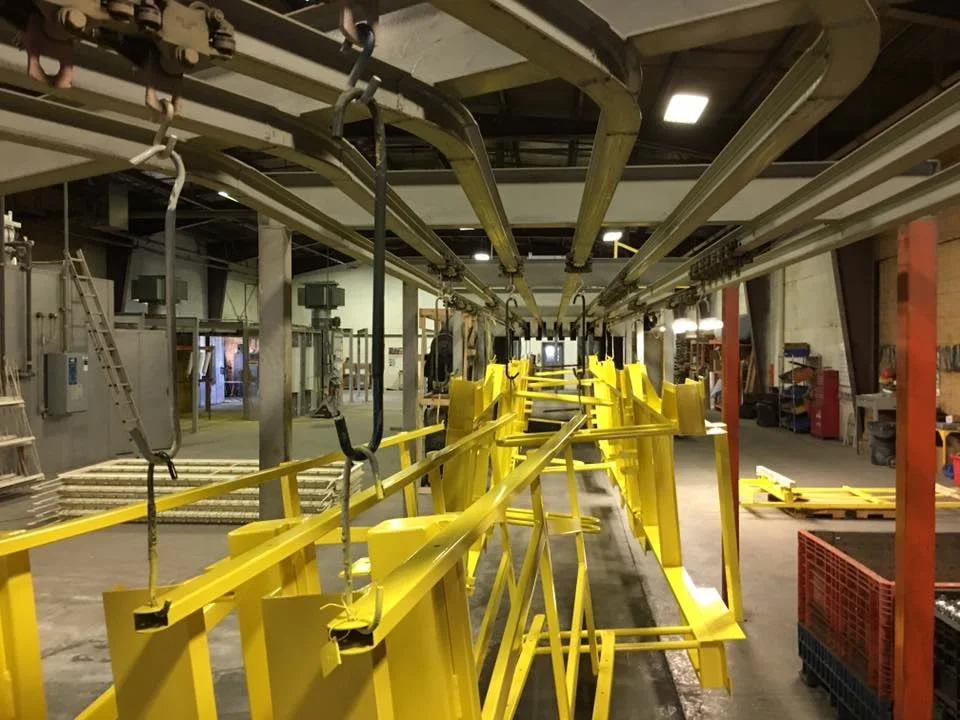
SAFE-T-FAB works across a campus of manufacturing facilities with full technological capabilities and multiple shipping points for logistical efficiency. Cutting edge machinery along with precision processes and a shipping point near you.
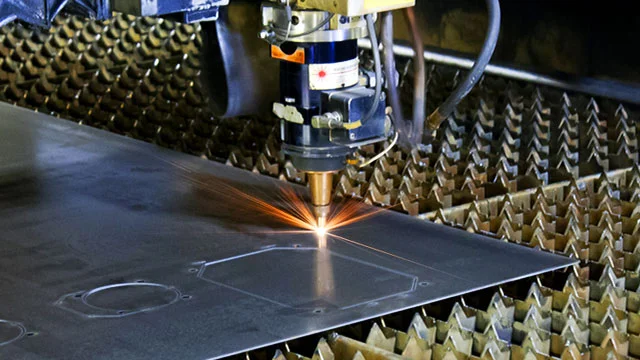
Material processing
- Mitsubishi 4000 W laser, 6 ft × 12 ft table, MCSIII handling
- 3/4 in mild steel · 1/2 in stainless · 3/8 in aluminium
- Hypertherm high-definition plasma / oxy-fuel, 9 ft × 40 ft, to 9 in thick
- Cincinnati shear, 10 ft bed, 1/4 in
- CNC Marvel saw, cuts to negative 60 degrees
Metal forming
- 440 ton SMT Pullmax press brake
- 250 ton Accupress press brake
- Aronson positioners, various sizes
Machining & lifting
- FHM7 Trak mill, 1.2 ton capacity, 110 in table travel
- Bridgeport, Jet and Excello mills · radial arm drill press
- P & H overhead crane, 12 ton, 200 ft of travel
- Ten 1 ton Budgit cranes · 7,000 lb and 5,000 lb tow motors
Finishing
- Powder coat: 20 ft × 6 ft batch ovens, automated and manual lines
- High-pressure phosphate steam wash
- Liquid coat: 20 ft × 15 ft cure oven
- Media blast and sand blast on site
- 14 welders · 2 hand plasma cutters
SAFE-T-FAB…
it’s time to keep you safe
Send a few photos of the area and the height you need to reach. That is enough for us to start.
Get a quote888-864-9853
SAFE-T-FAB is a division of Industrial Products Limited, LLC.